Medicare Part D in 2026: How the Hard $2,000 Out-of-Pocket Prescription Cap Saves Retirees Money

Protecting retirement savings from escalating healthcare expenses requires leveraging key federal prescription drug reforms. Utilizing updated Medicare Part D coverage rules provides vital relief to beneficiaries by establishing a strict limit on out-of-pocket spending for essential prescription medications.
Capping annual pharmacy expenses eliminates unpredictable out-of-pocket costs for seniors relying on high-tier maintenance treatments.
Limiting yearly patient contributions allows retirees to manage chronic conditions safely without worrying about catastrophic medical bills or skipping crucial medication doses.
Understanding updated pharmaceutical benefit structures empowers older adults to budget effectively and optimize their healthcare coverage. Here is how annual spending limits protect your retirement income, streamline monthly prescription payments, and lower medication expenses.
Understanding the New Medicare Part D Landscape
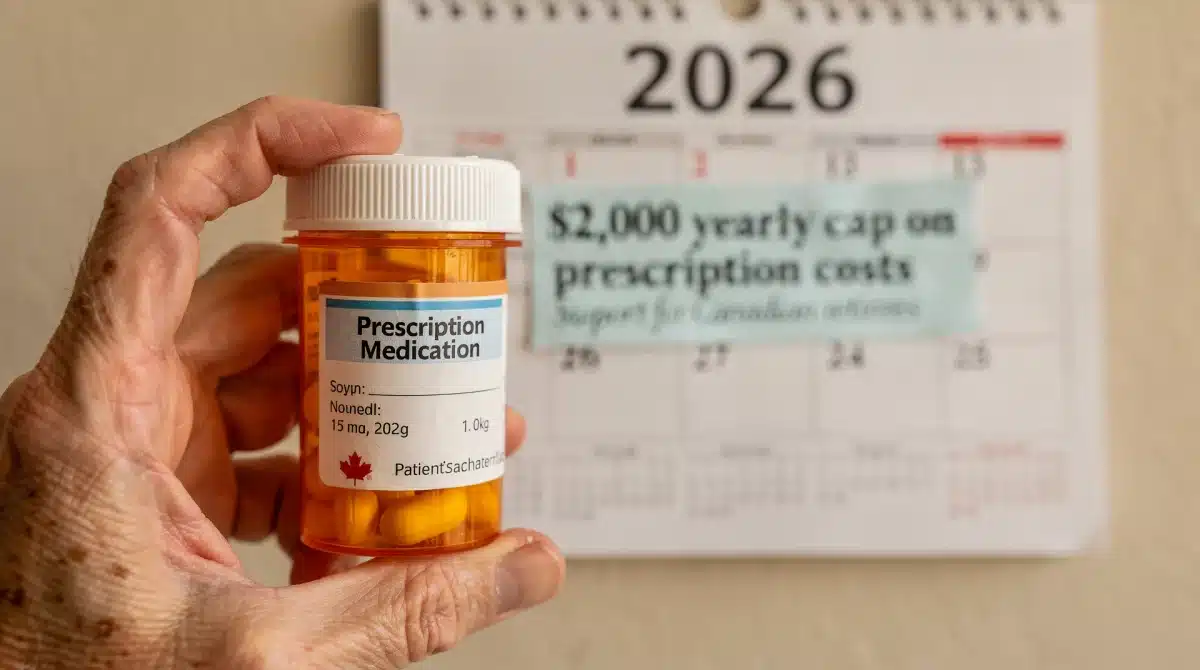
The landscape of Medicare Part D is set to undergo a transformative change in 2026 with the introduction of a hard $2,000 out-of-pocket cap.
This cap means that once a beneficiary’s out-of-pocket spending on covered prescription drugs reaches $2,000 in a calendar year, they will not have to pay any additional costs for the remainder of that year.
This critical reform is expected to provide substantial financial relief, particularly for retirees with chronic conditions requiring expensive medications. Historically, there was no hard cap on out-of-pocket spending, leaving many seniors vulnerable to unlimited costs in the catastrophic phase of their coverage.
The new structure aims to create a more predictable and manageable financial environment for millions of Canadians. It is a direct response to rising drug prices and the increasing financial strain on seniors, ensuring that essential medications remain accessible without causing undue hardship.
The Path to the $2,000 Cap
The journey to the $2,000 out-of-pocket cap began with legislative initiatives aimed at lowering prescription drug costs for seniors. These efforts culminated in significant changes to the Medicare Part D program, phased in over several years.
Prior to 2026, interim steps have been implemented to gradually reduce beneficiary spending, setting the stage for the ultimate hard cap. These incremental changes have prepared beneficiaries and plans for the full impact of the 2026 reforms.
The staggered implementation allows for smoother transitions and provides time for individuals to adjust their healthcare planning. This deliberate approach ensures that the system can adapt effectively to these major structural modifications.
- 2023: Insulin costs capped at $35 per month.
- 2024: Catastrophic phase coinsurance eliminated.
- 2025: Out-of-pocket spending reduced to approximately $3,250.
- 2026: Hard $2,000 out-of-pocket cap implemented.
Impact on Retirees and High-Cost Medications
The introduction of the $2,000 out-of-pocket cap under Medicare Part D in 2026 will have a profound impact on Canadian retirees, especially those managing high-cost medications.
This change will offer unprecedented financial protection against exorbitant drug expenses, which have historically been a major source of stress.
For individuals taking specialty drugs for conditions like cancer, multiple sclerosis, or rheumatoid arthritis, which can cost tens of thousands of dollars annually, the cap means a guaranteed maximum yearly expenditure. This predictability is invaluable for budgeting and financial stability.
This reform helps ensure that no senior has to choose between essential medications and other necessities due to overwhelming drug costs. It reinforces the principle that healthcare should be accessible and affordable for all beneficiaries.
Who Benefits Most from the Cap?
The primary beneficiaries of the $2,000 out-of-pocket cap will be seniors with high prescription drug costs. This includes individuals who regularly reach the catastrophic coverage phase of Medicare Part D plans, which previously offered limited protection.
Those with multiple prescriptions or costly brand-name drugs will experience the most significant financial relief. The cap effectively shifts a substantial portion of the financial risk from the individual to the Medicare Part D program and pharmaceutical manufacturers.
This targeted relief ensures that the most vulnerable populations, often those with complex health needs, receive the greatest benefit. It is a vital step towards equitable access to necessary medications.
Navigating Medicare Part D Plans in 2026
As 2026 approaches, understanding how to navigate Medicare Part D plans under the new $2,000 out-of-pocket cap becomes essential for beneficiaries.
While the cap provides significant protection, plan selection will still play a crucial role in managing overall prescription costs and accessing preferred pharmacies.
Retirees will need to carefully review their plan options during the annual enrollment period, considering factors such as premiums, deductibles, and formulary coverage. The cap makes high-cost drug scenarios more manageable, but initial costs and specific drug coverage still vary by plan.
Comparing plans will involve assessing not just the out-of-pocket cap, but also how each plan structures its costs before the cap is reached. This includes examining copayments and co-insurance for different tiers of drugs, which can impact day-to-day expenses.
Key Considerations for Plan Selection
When selecting a Medicare Part D plan for 2026, beneficiaries should prioritize reviewing the plan’s formulary to ensure their specific medications are covered. The cap provides a ceiling, but getting to that ceiling can still involve significant initial costs.
Comparing premiums and deductibles remains important, even with the out-of-pocket cap in place. A lower premium might come with a higher deductible, which could mean more upfront spending before the cap is met.
Additionally, beneficiaries should consider pharmacy networks and mail-order options. Some plans offer lower costs for using preferred pharmacies, which can contribute to overall savings throughout the year, even with the new cap for Medicare Part D in 2026.
- Formulary Check: Verify all current prescriptions are covered.
- Cost-Sharing: Evaluate deductibles, copayments, and co-insurance.
- Pharmacy Network: Ensure preferred pharmacies are in-network.
- Extra Benefits: Look for plans offering additional services or lower initial costs.
Long-Term Financial Security for Retirees
The $2,000 out-of-pocket cap under Medicare Part D in 2026 is a significant step towards enhancing the long-term financial security of Canadian retirees. This policy change removes a major source of financial instability, allowing seniors to plan their budgets with greater confidence.
By limiting annual drug costs, retirees can allocate more of their fixed incomes to other essential needs, such as housing, food, and utilities. This creates a more stable economic environment for those living on pensions and social security benefits.
The predictability offered by the cap can also reduce stress and anxiety associated with healthcare expenses, contributing to improved overall well-being. It represents a foundational improvement in the social safety net for seniors.
Broader Implications for Healthcare Spending
The implications of the $2,000 out-of-pocket cap extend beyond individual beneficiaries. This reform is expected to influence broader trends in healthcare spending and pharmaceutical pricing within the Canadian market.
With a fixed limit on patient spending, there may be increased pressure on pharmaceutical companies and Medicare Part D plans to manage drug costs more effectively. This could lead to greater negotiation power and potentially lower overall drug expenditures.
Furthermore, the policy could encourage more seniors to adhere to their prescribed medication regimens, knowing that their costs are capped. This improved adherence can lead to better health outcomes and a reduction in other healthcare costs, such as hospitalizations.
Addressing Concerns and Future Adjustments
While the $2,000 out-of-pocket cap for Medicare Part D in 2026 offers substantial benefits, it is important to acknowledge that some concerns and potential future adjustments may arise.
Stakeholders are closely monitoring the implementation to ensure its effectiveness and address any unforeseen challenges that may emerge.
One area of focus is how plans might adjust premiums or other cost-sharing mechanisms in response to the new cap. While the intent is to lower overall beneficiary costs, plan structures could evolve, requiring ongoing vigilance from consumers and regulators.
Additionally, the policy’s long-term impact on drug innovation and pharmaceutical market dynamics will be observed. Balancing affordability with incentives for research and development remains a complex challenge within the healthcare sector.
Ensuring Continued Affordability
Ensuring continued affordability beyond 2026 will require ongoing evaluation of the Medicare Part D program. The $2,000 cap is a significant milestone, but future adjustments may be necessary to keep pace with inflation and evolving drug costs.
Policymakers will need to remain responsive to market changes and beneficiary needs, potentially exploring further reforms to maintain the program’s sustainability and effectiveness. Continuous monitoring and data analysis will be key to informed decision-making.
The goal is to create a robust and adaptable system that provides reliable access to medications without imposing undue financial burdens on seniors. This commitment to ongoing improvement is vital for the long-term success of Medicare Part D savings.
The Role of Advocacy and Information
The successful implementation and sustained benefit of the $2,000 out-of-pocket cap in Medicare Part D in 2026 rely heavily on ongoing advocacy and accurate information dissemination.
Organizations representing seniors and healthcare advocates play a crucial role in educating beneficiaries about these changes and ensuring their voices are heard.
Providing clear, accessible information helps retirees understand their new benefits and make informed decisions about their healthcare coverage. This includes guidance on plan selection, understanding cost-sharing, and navigating the enrollment process.
Advocacy groups also monitor the impact of these reforms, identifying any areas where adjustments might be needed to better serve the needs of beneficiaries. Their continuous engagement is essential for protecting the interests of seniors.
Empowering Beneficiaries with Knowledge
Empowering beneficiaries with comprehensive knowledge about the changes to Medicare Part D is paramount. Educational campaigns, workshops, and readily available resources help seniors grasp the nuances of the $2,000 cap and how it affects their personal finances.
Understanding when and how the cap applies, as well as what costs count towards it, enables retirees to utilize their benefits effectively. This knowledge can prevent confusion and ensure that individuals receive the full financial protection intended by the reform.
The goal is to foster an informed beneficiary population that can confidently navigate their Medicare Part D options. This proactive approach ensures that the benefits of the new cap are fully realized by those who need them most.
| Key Point | Brief Description |
|---|---|
| Hard $2,000 Cap | Maximum out-of-pocket spending for Medicare Part D beneficiaries starting in 2026. |
| Retiree Savings | Significant financial relief, especially for those with high-cost or multiple prescriptions. |
| Enhanced Predictability | Eliminates unlimited catastrophic phase costs, improving budget planning for seniors. |
| Plan Selection | Beneficiaries still need to carefully compare plans for premiums, deductibles, and formularies. |
Frequently Asked Questions About Medicare Part D in 2026
Starting in 2026, the Medicare Part D program will implement a hard $2,000 annual limit on how much beneficiaries pay for covered prescription drugs out of their own pocket. Once this threshold is met, the plan will cover 100% of remaining drug costs for the rest of the year.
Retirees, especially those with expensive or multiple prescriptions, will no longer face unlimited costs in the catastrophic coverage phase. The $2,000 cap provides a definitive maximum expenditure, preventing financial hardship from high drug prices and offering significant predictability for budgeting.
Yes, several changes have been phased in. For example, insulin costs were capped at $35 per month in 2023, and catastrophic phase coinsurance was eliminated in 2024. These steps gradually reduced out-of-pocket spending leading up to the full $2,000 cap in 2026.
No, comparing plans remains crucial. While the cap limits total annual out-of-pocket costs, beneficiaries still need to consider premiums, deductibles, and formularies. These factors influence initial costs and access to specific medications before the $2,000 cap is reached.
Retirees should review their current Medicare Part D plan, understand how their medications are covered, and compare available plans during the annual enrollment period for 2026. Consulting with a benefits advisor or Medicare resource centre can also provide personalized guidance.
Looking Ahead: Sustaining Medicare Part D Savings
The implementation of the $2,000 out-of-pocket cap for Medicare Part D in 2026 marks a historic milestone in addressing prescription drug costs for Canadian retirees. This reform provides a critical layer of financial protection, offering predictability and peace of mind to millions.
As this new era in Medicare Part D begins, it will be essential for beneficiaries, policymakers, and healthcare providers to monitor its full impact. Continued vigilance will ensure that the benefits of this cap are sustained and that the program remains responsive to the evolving needs of seniors.
The success of these reforms will undoubtedly lay the groundwork for future discussions on healthcare affordability and access, reinforcing the importance of robust social benefits for an aging population. This change signifies a significant step forward in securing the financial health of retirees.