Supplemental Security Income Alert: Qualification Steps for the New $967 Monthly Federal Benefit Standard

Checking your monthly SSI eligibility can feel daunting, especially when benefit thresholds shift and bills keep climbing. Here is what you need to know about qualifying for the $967 monthly standard and how recent updates reshape your path forward.
Official agency data and policy updates break down what changed, why it matters, and what to watch next. Knowing how income, resources, and application steps fit together helps you protect vital assistance without costly missteps.
For millions of low-income seniors, disabled adults, and families, clear guidance turns confusing federal rules into practical action. Staying ahead of these adjustments keeps your household budget steady and your claim on track.
Understanding the New $967 Monthly Federal Benefit Standard
The Supplemental Security Income (SSI) program provides critical financial assistance to millions of low-income individuals who are aged, blind, or disabled.
The recent adjustment to a $967 monthly federal benefit standard represents a significant change for current and prospective beneficiaries across the United States.
This new standard, effective for the current fiscal year, reflects cost-of-living adjustments and other programmatic updates. It aims to provide greater financial stability for those most in need, ensuring that the benefit keeps pace with economic realities.
Beneficiaries must grasp the implications of this increase, as it may affect their overall financial planning and other potential benefits. Staying informed about these changes is paramount to maximizing the support available.
Key Changes to the SSI Benefit Amount
The increase to $967 per month is a direct response to economic indicators and legislative mandates. This adjustment ensures that the purchasing power of SSI recipients is maintained, or even improved, in the face of rising costs of living.
For many, this new standard means a tangible difference in their ability to cover essential expenses such as housing, food, and medical care. The federal government regularly reviews these amounts to provide adequate support to vulnerable populations.
- The federal benefit rate is subject to annual adjustments based on the Consumer Price Index.
- This increase aims to combat inflation and maintain the real value of benefits.
- State supplementary payments may vary and are added to the federal amount.
Eligibility Criteria for Supplemental Security Income
Qualifying for Supplemental Security Income involves meeting stringent criteria related to age, disability, income, and resources. The Social Security Administration (SSA) meticulously reviews each application to determine eligibility for the program.
Applicants must demonstrate a limited income and minimal resources to be considered for SSI. These financial thresholds are critical components of the qualification process and are regularly updated.
Beyond financial aspects, medical eligibility for disability or blindness must be established by the SSA. This often involves providing comprehensive medical evidence and undergoing evaluations to confirm the severity of conditions.
Income and Resource Limits
The SSA sets specific limits on how much income and how many resources an individual or couple can have to qualify for SSI. Certain types of income and resources are excluded from these calculations, which can be complex.
Understanding what counts as income and resources is vital for applicants. For instance, the home you live in and one vehicle are typically not counted, but other assets like bank accounts and investments are.
- Current individual resource limit is $2,000; for couples, it is $3,000.
- Not all income is counted; some amounts are disregarded to encourage work.
- Understanding excluded resources, such as primary residence and one vehicle, is crucial.
The Application Process for SSI Benefits
The application process for Supplemental Security Income can be extensive and requires careful attention to detail. Applicants typically begin by gathering necessary documents and then submitting an application to the Social Security Administration.
This often involves completing forms online, by mail, or in person at a local SSA office. Providing accurate and complete information is paramount to avoiding delays or denial of benefits.
After initial submission, applicants may be required to attend interviews, provide additional documentation, or undergo medical examinations. The SSA uses this comprehensive approach to ensure all eligibility criteria are met.
Required Documentation and Information
Applicants for Supplemental Security Income must provide a range of documents to support their claims. This includes proof of age, citizenship or legal residency, income, resources, and medical records.
Having these documents prepared in advance can significantly streamline the application process. The SSA uses this information to verify all aspects of an applicant’s eligibility for the $967 monthly federal benefit standard.
Missing or incorrect documentation is a common reason for application delays. It is advisable to organize all required papers meticulously before initiating the application.
Navigating the Disability Determination Process
For applicants seeking Supplemental Security Income based on disability, the disability determination process is a crucial and often lengthy stage. The SSA evaluates medical evidence to determine if an individual meets their definition of disability.
This involves reviewing medical records, reports from doctors, and possibly conducting consultative examinations. The decision is based on whether the applicant’s condition prevents them from engaging in substantial gainful activity.
Understanding the criteria for disability and providing comprehensive medical documentation can greatly influence the outcome. The process is designed to be thorough, ensuring that benefits are awarded to those truly unable to work.
Appeals and Reconsiderations
If an initial application for Supplemental Security Income is denied, applicants have the right to appeal the decision. There are several levels of appeal, starting with reconsideration, followed by a hearing before an Administrative Law Judge (ALJ).
Many applicants find success during the appeals process, particularly if they can provide new medical evidence or clarify existing information. It is often beneficial to seek assistance from legal aid or an advocate during this stage.
Understanding the appeals hierarchy and deadlines is critical for those pursuing a denied claim. Each step offers an opportunity to present a stronger case for eligibility.
Impact of the $967 Benefit Standard on Recipients
The new $967 monthly federal benefit standard for Supplemental Security Income will have a direct and tangible impact on current recipients. This increased amount provides enhanced financial stability, helping to alleviate some of the pressures associated with the rising cost of living.
For many, this adjustment means a better ability to afford necessities such as food, utilities, and housing. The federal government’s commitment to regularly adjusting these benefits underscores its role in supporting vulnerable populations.
Recipients should review their budgets and financial plans to account for this change, ensuring they optimize the use of their increased benefit. Staying informed about any further adjustments or related programs is also beneficial.
Managing Your SSI Benefits Effectively
Effective management of Supplemental Security Income benefits is crucial for long-term financial well-being. This includes understanding spending habits, budgeting for essential expenses, and exploring additional resources if needed.
Recipients should also be aware of how other income or resources might affect their SSI payments. Maintaining open communication with the SSA about any changes in financial status is essential to avoid overpayments or interruptions.
Financial literacy workshops and local community resources can offer valuable guidance on managing benefits. These tools help recipients stretch their dollars further and plan for unexpected expenses.
State Supplements and Total SSI Payments
While the federal Supplemental Security Income standard is $967 per month, many states provide their own supplementary payments. These state supplements vary significantly and can increase the total monthly benefit an individual receives.
The combination of federal and state payments provides a more robust safety net for beneficiaries, especially in areas with higher costs of living. It is important for applicants to determine if their state offers such additional support.
Information on state supplementary payments is usually available through local social services agencies or the state’s welfare department. These details are crucial for understanding the full scope of potential financial aid.
Understanding State-Specific Variations
State supplementary payments are not uniform; they depend on various factors including the state’s budget, cost of living, and specific eligibility rules. Some states administer their own supplements, while others have the SSA administer them on their behalf.
Applicants should research their state’s specific programs to get a complete picture of their potential Supplemental Security Income. These variations can significantly impact the total amount received.
For example, a recipient in California might receive a higher combined federal and state payment than someone in a state with no supplement. This highlights the importance of localized information when assessing benefit amounts.
Resources and Support for SSI Applicants
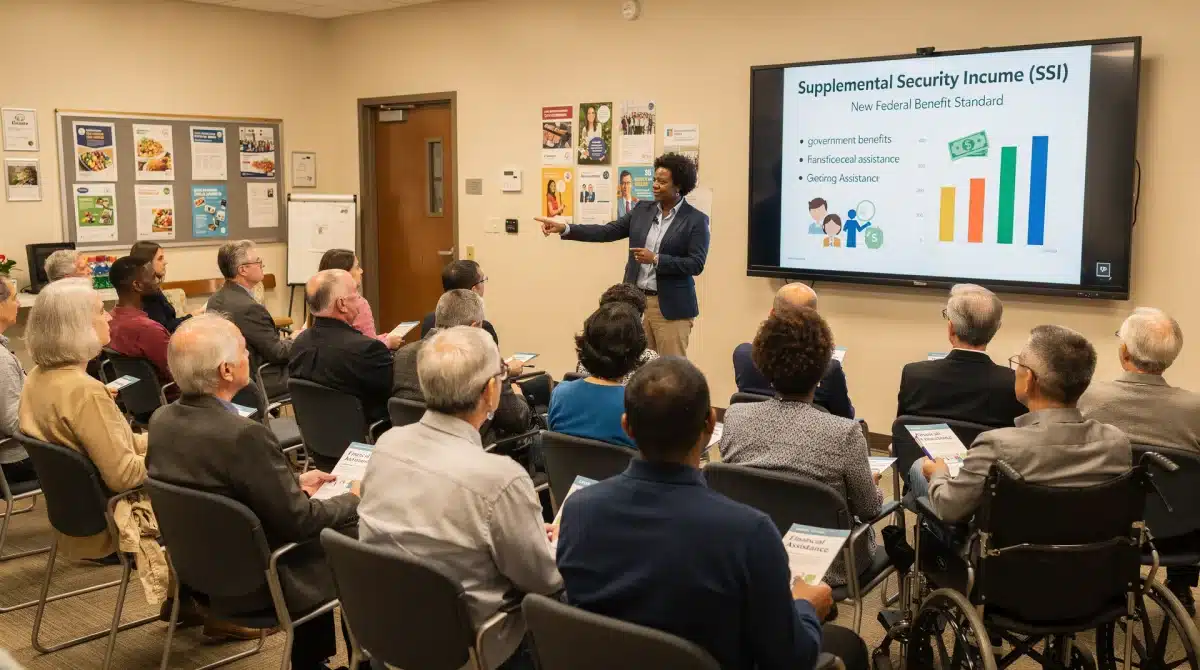
Numerous resources are available to assist individuals with the Supplemental Security Income application and qualification process. These include official government websites, community organizations, and legal aid services.
The Social Security Administration’s website is an invaluable source of information, offering detailed guides, application forms, and FAQs. Local SSA offices also provide in-person assistance and guidance.
Community centres and non-profit organizations often offer free assistance with applications, appeals, and understanding eligibility requirements. These resources can be particularly helpful for those who find the process overwhelming.
Where to Find Reliable Information
Accessing accurate and up-to-date information is essential for anyone applying for or receiving Supplemental Security Income. Relying on official sources helps ensure that decisions are based on correct guidelines and regulations.
The SSA’s official website, government publications, and direct communication with SSA representatives are the most reliable channels. Be wary of unofficial sources that may provide outdated or inaccurate advice.
- Visit the official Social Security Administration website for comprehensive information.
- Contact your local SSA office for personalized assistance and appointments.
- Explore community legal aid services for help with complex cases or appeals.
Future Outlook for Supplemental Security Income
The future of Supplemental Security Income is subject to ongoing legislative review and economic adjustments. While the $967 monthly federal benefit standard is current, future changes are always a possibility, reflecting evolving societal needs and economic conditions.
Policymakers continuously evaluate the program to ensure its sustainability and effectiveness in supporting vulnerable populations. Discussions often revolve around benefit adequacy, eligibility criteria, and funding mechanisms.
Staying informed about legislative proposals and economic forecasts can provide insight into potential future changes. The program remains a vital safety net, and its evolution will continue to be a key focus for advocates and beneficiaries alike.
Anticipated Programmatic Adjustments
Anticipated programmatic adjustments for Supplemental Security Income often include periodic increases in benefit amounts to match inflation. There are also ongoing discussions about simplifying the application process and expanding eligibility for certain groups.
Any significant changes would likely come through legislative action, following extensive debate and public input. These adjustments aim to refine the program’s reach and impact.
Recipients and advocates should monitor news from Congress and the SSA for announcements regarding future modifications to the program. These developments could influence how individuals qualify for the new $967 monthly federal benefit standard.
| Key Point | Brief Description |
|---|---|
| New Benefit Standard | Federal SSI monthly benefit increased to $967 for eligible individuals. |
| Qualification Criteria | Eligibility based on age, blindness, disability, and limited income/resources. |
| Application Process | Requires detailed documentation, interviews, and medical evaluations. |
| State Supplements | Many states offer additional payments beyond the federal SSI amount. |
Frequently Asked Questions about SSI Qualification
The new monthly federal benefit standard for Supplemental Security Income (SSI) is $967. This amount is subject to annual cost-of-living adjustments to help beneficiaries keep pace with inflation and cover essential living expenses. This update ensures that the purchasing power of SSI recipients is maintained, providing crucial financial stability.
Eligibility for the $967 SSI benefit is primarily for individuals who are aged (65 or older), blind, or disabled, and have limited income and resources. The Social Security Administration (SSA) assesses these criteria rigorously, including medical evidence for disability claims and financial thresholds for income and assets.
To apply for Supplemental Security Income, you can submit an application online, by mail, or in person at a local SSA office. The process requires comprehensive documentation, including proof of age, citizenship, income, resources, and medical records. It’s crucial to provide accurate and complete information to avoid delays.
For 2024, the resource limit for an individual is $2,000, and for a couple, it is $3,000. Not all income or resources are counted; for example, your primary residence and one vehicle are typically excluded. Understanding these specific limits is vital for determining your eligibility for Supplemental Security Income.
Yes, many states provide supplementary payments in addition to the federal Supplemental Security Income benefit. These state supplements vary significantly based on state-specific regulations and cost of living. It is advisable to contact your state’s social services agency or the SSA to inquire about potential additional benefits in your area.
What this means
The Supplemental Security Income Alert signifies a crucial update for beneficiaries and applicants. It underscores the importance of staying informed about federal benefit adjustments and understanding the nuanced qualification steps.
As economic conditions evolve, programs like SSI are continually reviewed, making it essential for individuals to regularly check official SSA channels for the latest information.
Proactive engagement with the application and appeals processes, coupled with awareness of state-specific supplements, will empower individuals to secure the support they need.